Micro-ROV vs. diver: the 7 unbeatable advantages of underwater drones
Why micro-ROVs (underwater drones) make conventional inspections with divers superfluous in many areas
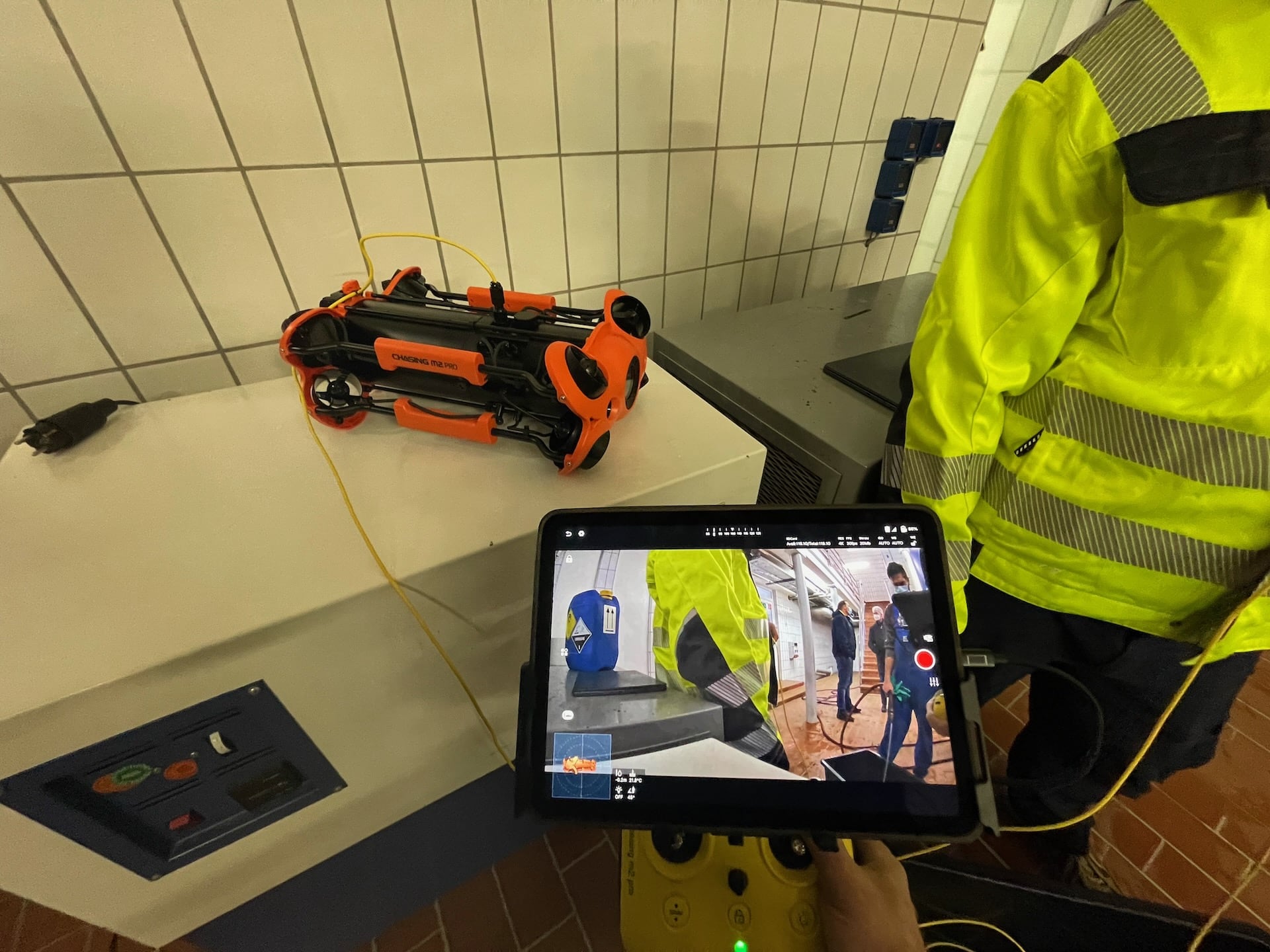
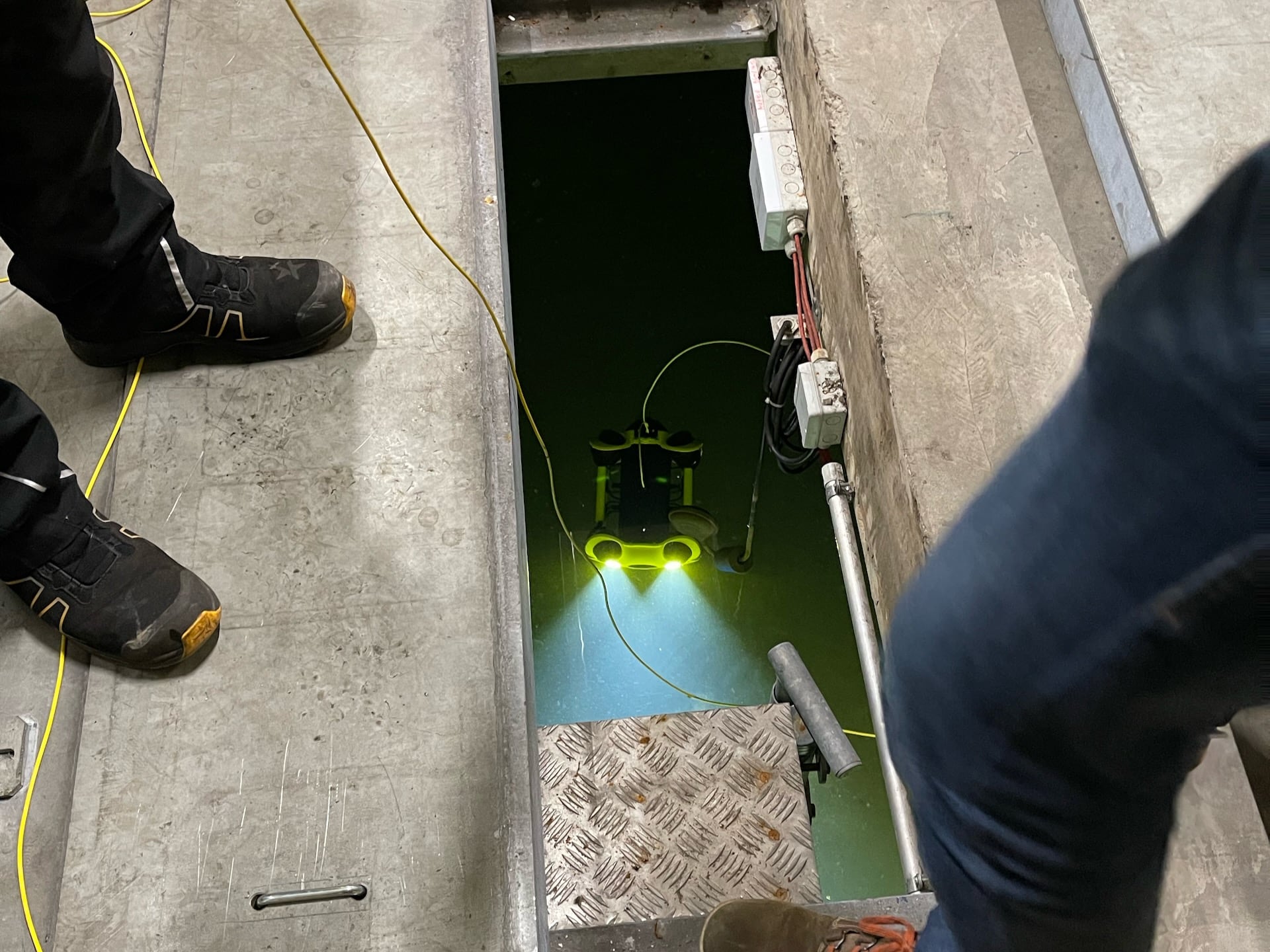
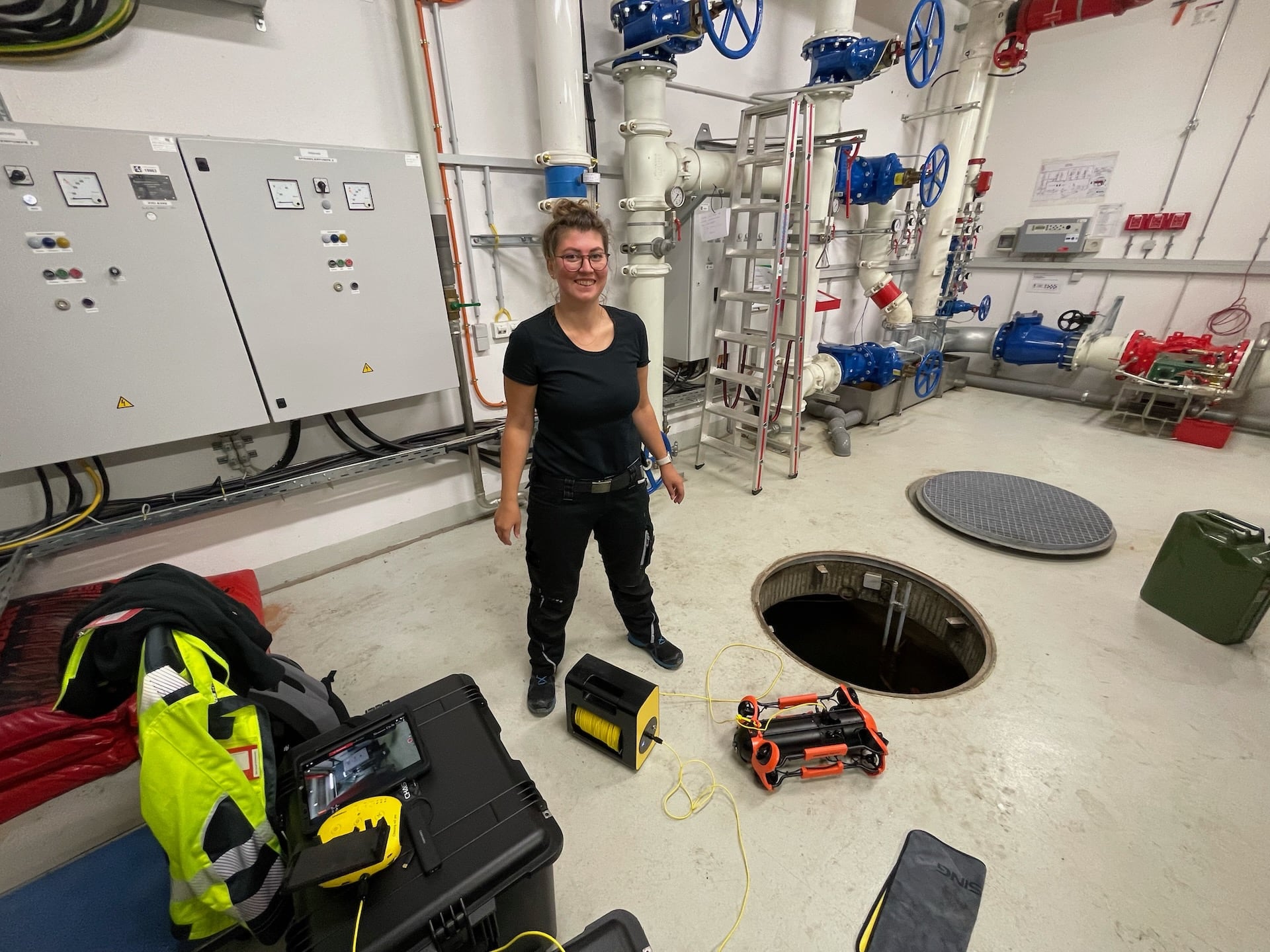
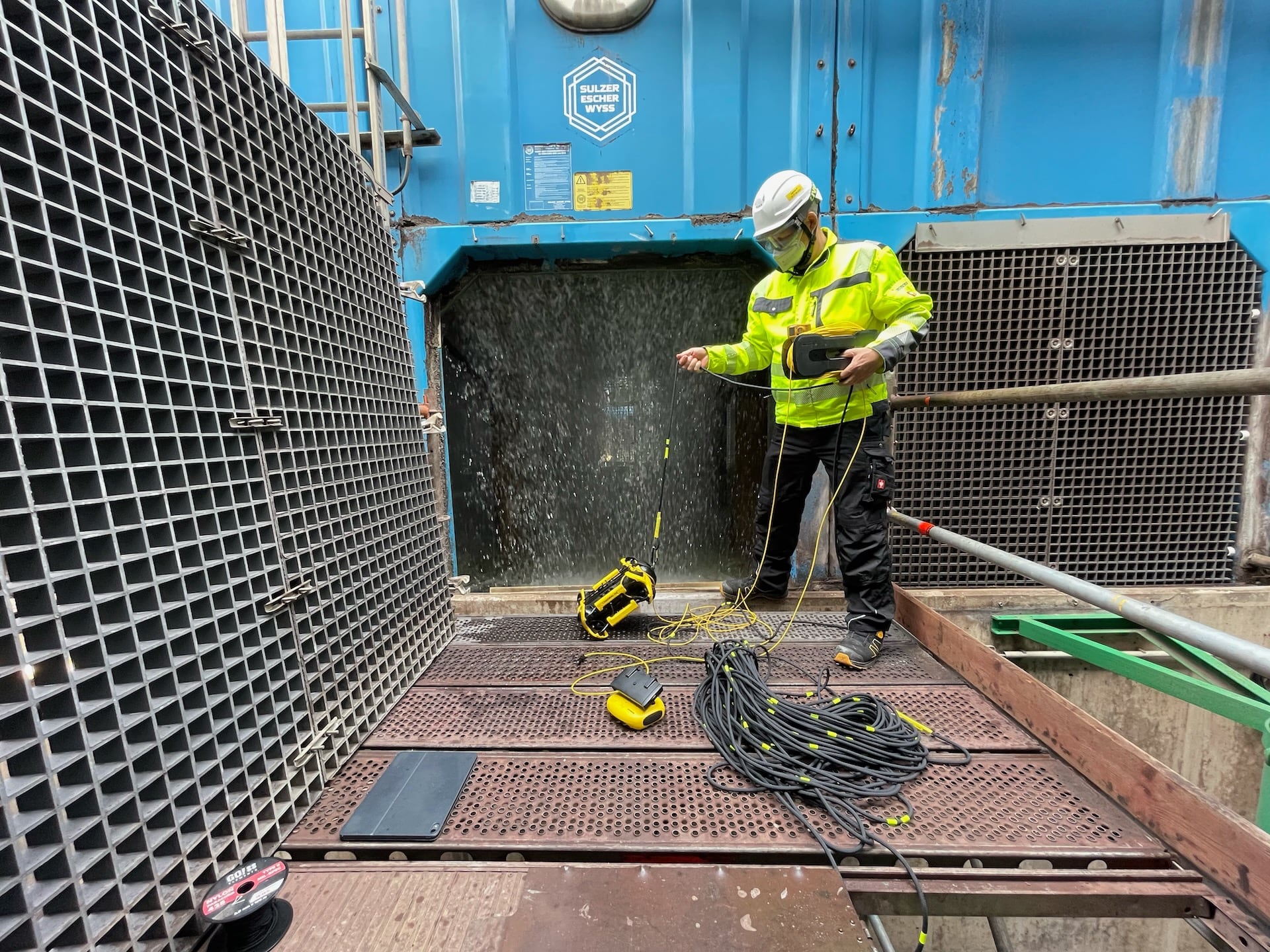
Traditional inspections of underwater infrastructure often rely on divers or pumping systems empty. While divers continue to be used for many complex tasks under water micro-ROVs offer an efficient alternative for inspections and the recovery of tools or foreign objects. These small, remote-controlled vehicles are able to perform many tasks that would otherwise require costly operations. In this article, we highlight the 7 most important reasons why micro-ROVs are increasingly replacing conventional methods.
1. no need to empty (or drain) the system
2. no use of divers in hazardous environments
3. simpler and more thorough disinfection in the drinking water sector
4. less sediment resuspension for clearer inspections
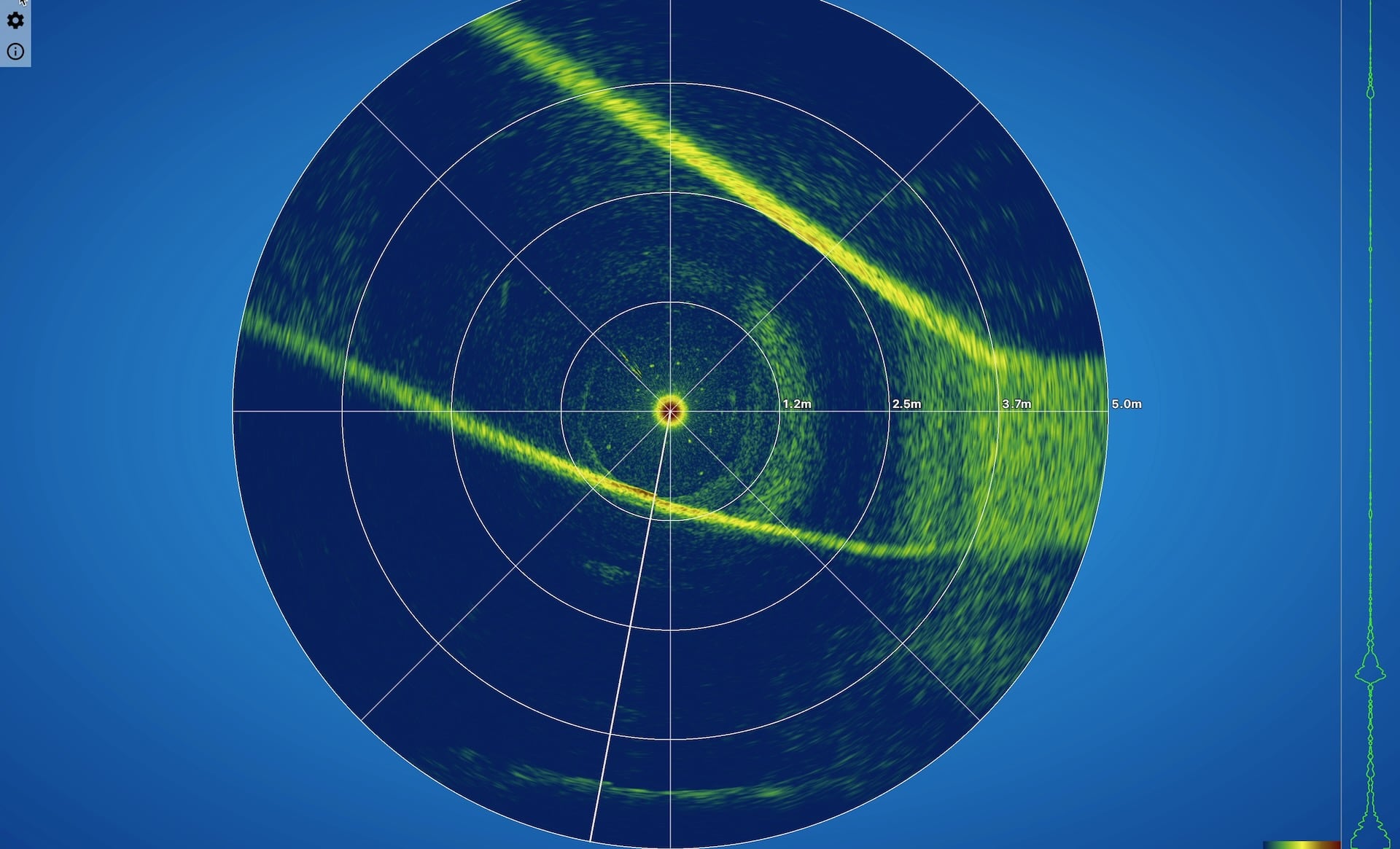
5. efficient navigation in zero visibility with sonar
6. fast and flexible deployment without complex planning
7. high-resolution data and images for precise reports
Another major advantage of micro-ROVs is their ability to capture high-resolution underwater images and videos. Modern ROVs are equipped with advanced Cameras which provide clear and detailed images even in poor lighting conditions. These images are invaluable for the precise inspection and documentation of damage or wear. In addition, many micro-ROVs can be equipped with further sensors such as LiDAR to capture even more detailed data. This high-resolution data enables the condition of the system to be analysed precisely and provides well-founded information for maintenance or repair decisions without the need for physical intervention in the system.
Conclusion
The use of micro-ROVs offers a modern, efficient and safe alternative to conventional inspection methods such as pumping systems empty or using divers. They eliminate the need for lengthy preparations and extensive safety precautions, while being able to carry out precise inspections even under difficult conditions such as zero visibility or in confined spaces. Micro-ROVs enable detailed data collection without interrupting operations and can be used safely in drinking water areas. By reducing risk, cost and time, Micro-ROVs are revolutionising the way in which Underwater inspections in the industry. Companies that rely on this technology benefit from faster inspections, fewer operational interruptions and more precise data for their maintenance decisions.
Request ROV inspection
- We look forward to your enquiry and will respond promptly!
Frequently asked questions
The costs of an ROV inspection are generally significantly lower than traditional diving operations. The exact costs depend on various factors:
- Size and complexity of the system
- Duration and scope of the inspection
- Type of documentation required
- Additional equipment required
- Location and accessibility of the system
The most important advantages of ROVs are
- Significantly lower operating costs
- Increased safety through remote-controlled operation
- Longer operating times possible
- Better documentation thanks to HD cameras
- Immediate operational readiness
- Access to confined and hazardous areas
Micro-ROVs for Industrial inspections are compact and manoeuvrable. The most common models measure approx:
- Length: 40-60 cm
- Width: 30-40 cm
- Height: 25-35 cm
This enables access to confined spaces and complex structures.
Yes, ROVs can work effectively even in poor visibility. They are equipped with:
- Powerful LED headlights
- Special sonar systems
- Advanced filter technologies
- Automatic image optimisation
ROVs are suitable for inspecting a wide variety of systems:
- Water reservoirs and tanks
- Wastewater treatment plants and wastewater systems
- Cooling water systems
- Offshore facilities
- Industrial pipework
- Dams and hydropower plants
 English
  German
  Dutch
Dutch  Danish
  Swedish
  Norwegian